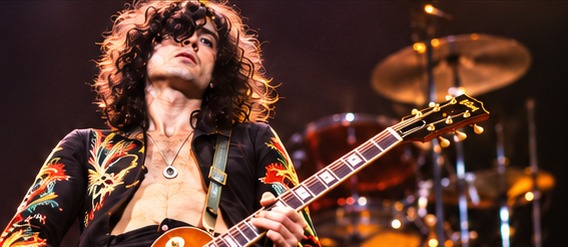
There’s something about Jimmy Page’s guitar sound that players have been chasing for decades. It can be raw and explosive, but it’s also surprisingly dynamic. And the equipment behind those records isn’t always what you’d expect.
From the sharp attack of the early Telecaster recordings to the powerful Les Paul tones associated with Zeppelin’s later years, Page approached each song with a different sonic palette. So instead of hunting for one magic pedal, let’s break down the guitars, amplifiers, effects and recording ideas that made the music distinctive.
The Telecaster Years: Where the Zeppelin Sound Began
One of the biggest surprises for people just discovering Page’s equipment is that much of Led Zeppelin’s first album was recorded on a Fender Telecaster, not his famous sunburst Les Paul. His decorated “Dragon” Telecaster was paired with a modified Supro combo amplifier for many of those early tones.
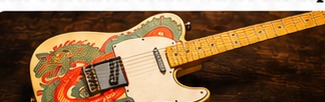
Listen to the attack in “Communication Breakdown.” It’s aggressive and distorted, yet individual notes still cut through. Start with a bright single-coil guitar, a fairly lively amp and less gain than you might think.
Explore Telecaster-style guitars, vintage-voiced combo amps and Tone Bender-inspired fuzz pedals.
The Gibson Les Paul: A Different Kind of Power
In 1969, Page acquired the late-1950s Gibson Les Paul Standard that became known as “Number One.” Its humbuckers, controls and sustain gave him a different set of options, especially at concert volume.

One of the easiest things you can try is setting your amp for a gritty crunch, then rolling your guitar’s volume back to clean up the sound. Bring the control up again for lead lines. That movement between cleaner and dirtier tones is central to this style.
The Amplifiers Behind the Sound
Page used several amplifiers rather than relying on one permanent studio setup. The modified Supro was important to the first album, while Marshall stacks became strongly associated with his later live playing. Other studio equipment also contributed to particular recordings.
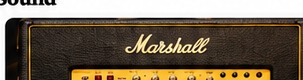
For a starting point on a modern British-style amp or modeler, try the settings below. These are suggested modern approximations, not Page’s documented original knob settings.
| Control | Starting point |
|---|---|
| Gain | 5–6 |
| Bass | 4 |
| Mids | 7 |
| Treble | 6 |
| Presence | 5 |
| Reverb | 1–2 |
If things get muddy, back off the bass or gain first. The objective is bite, definition and responsiveness, not maximum distortion.
Three Effects That Shaped His Tone
Page could get a remarkable range of sounds without an enormous modern pedalboard. Three categories are especially useful for experimenting with his style:
- Tone Bender-style fuzz: for aggressive, harmonically rich vintage fuzz sounds.
- Wah: for expressive sweeps and fixed-position, mid-focused lead tones.
- Tape-style echo: for movement, repeat textures and spacious guitar passages.
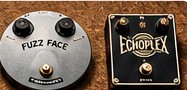
Start with one effect at a time. A wah or fuzz pedal can dramatically change your response to picking and dynamics, so there’s plenty to learn before stacking multiple effects.
The Recording Tricks That Made the Guitar Sound Huge
Page was as much a studio experimenter as a guitar player. Layered parts, microphone placement, room ambience and arrangement all helped create the impact of Led Zeppelin’s recordings.
- Double-tracking: play the same part twice and pan performances left and right for width.
- Microphone position: moving a mic around a speaker changes brightness and body.
- Leaving space: a guitar doesn’t need to dominate every frequency to sound massive in a full band.

How to Recreate a Jimmy Page-Inspired Tone Today
You don’t need rare vintage gear to begin. A Les Paul-style guitar, a British-voiced amp or modeler, and a couple of carefully selected effects are a reasonable starting point for later-era tones. For earlier recordings, consider a single-coil guitar and smaller driven combo.
Try the suggested amp settings, keep the guitar volume controls in play, and focus on your pick attack and phrasing. The setup matters, but the musician operating it matters more.
See sample guitars, amp options, fuzz, wah and delay categories, organized by the part of the sound they help recreate.
The takeaway: There isn’t one secret pedal. Page’s sound came from using different guitars, amplifiers and recording techniques creatively, while leaving enough dynamics for the music to breathe.
